CS2 Skin Trading Platform Guide 2026
Understanding trading mechanisms, float value calculations, pricing algorithms, inventory management, and security protocols for Counter-Strike 2 item marketplaces.
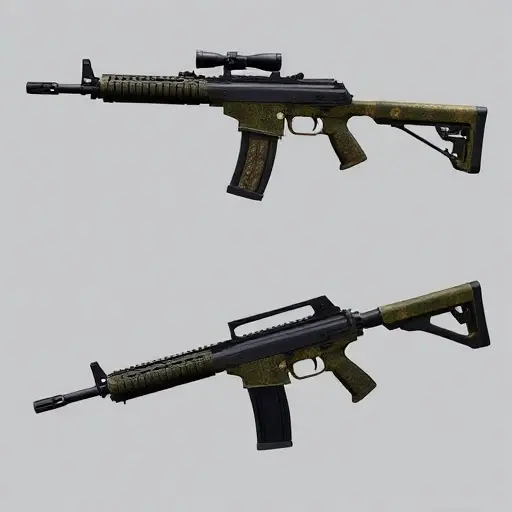
Understanding trading mechanisms, float value calculations, pricing algorithms, inventory management, and security protocols for Counter-Strike 2 item marketplaces.
Key components and technical specifications of modern CS2 skin trading platforms.
Platforms parse and display precise float values (wear ratings) ranging from 0.00 to 1.00, determining skin condition from Factory New to Battle-Scarred for accurate pricing.
Automated bot systems process trade offers within seconds, eliminating traditional 7-day trade hold limitations through API integration with Steam inventory systems.
Advanced parsing identifies sticker placement, scrape percentage, and tournament authenticity for Katowice 2014, Crown, and other high-value stickers affecting market value.
Real-time price aggregation from multiple marketplaces including trade gg, buff163, and community market to establish fair market value benchmarks for each skin.
Systems identify rare pattern seeds for Case Hardened, Crimson Web, and Fade skins, calculating blue gem percentages and webbing placement for specialized collectors.
Automated checking of item tradability status, including cooldown periods from market purchases, SCM restrictions, and mobile authenticator requirements before trade acceptance.
Platforms maintain databases of past sale transactions, generating trend graphs for specific skins across different float ranges and sticker combinations.
Systems allow users to bundle multiple low-value items for single higher-value skins, calculating combined worth and processing multi-item exchanges in one transaction.
Step-by-step breakdown of how skin trading platforms operate from inventory parsing to final exchange.
The platform establishes connection to your Steam inventory through official API endpoints, reading item asset IDs, app IDs, and context IDs to fetch complete inventory data including float values stored in item descriptions.
Each item undergoes automated appraisal comparing float wear, sticker market values, pattern indexes, and recent sale data from tradeit gg databases and external market aggregators to establish fair trade value.
You choose items to deposit, and the system matches their combined value against available bot inventory, suggesting skins within your budget range or allowing you to browse catalogue filtered by rarity, exterior, and weapon type.
The platform bot sends a Steam trade offer containing selected items, which you review in Steam client or browser confirming item details, float values, and ensuring no discrepancies before acceptance.
After you accept the offer and complete mobile authenticator confirmation if required, items transfer instantly between inventories and become immediately available for further trades or withdrawals.
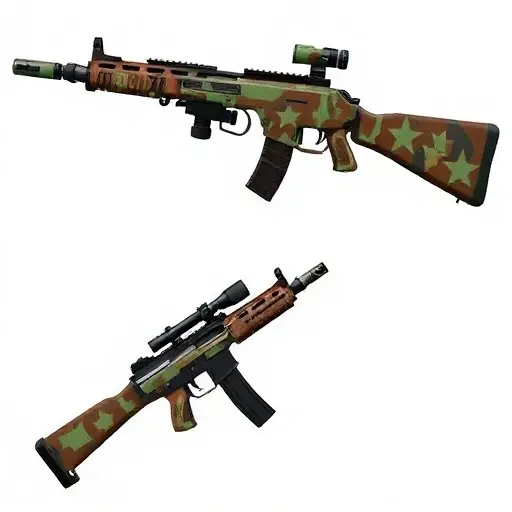
Typical scenarios where traders and collectors utilize skin trading platforms.
Converting multiple low-tier skins accumulated from drops and cases into single high-value items or tradable balance, avoiding Steam Community Market's 7-day hold on purchased items.
Exchanging high-float Minimal Wear or Field-Tested skins for lower-float versions of the same skin, improving visual appearance while maintaining similar market value through tradeitgg systems.
Acquiring cheap skins with expensive stickers at discount, scraping or holding them to profit from sticker price appreciation independent of base skin value fluctuations.
Some platforms support trading CS2 skins for Dota 2 items or TF2 keys, enabling portfolio diversification across Steam economy games using unified credit systems.
Searching platform inventories for specific Case Hardened pattern indexes with high blue percentages or unique Fade gradients not readily available on standard marketplaces.
Bypassing Steam's 13% market fee and third-party marketplace commissions by using platforms like trade it that profit through price spreads rather than transaction fees.
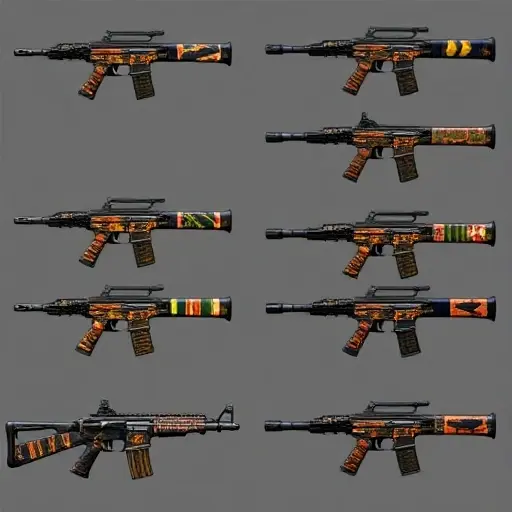
Understanding risks and protective measures when using skin trading platforms.
Never share your Steam API key or trade offer URL publicly. Platforms should only require your trade URL, never asking for passwords, authenticator codes, or wallet access. Verify you're sending trades to legitimate bot accounts.
Scammers create fake sites mimicking tradegg or tradeit with slight URL variations. Always verify the exact domain spelling, check for HTTPS certificates, and bookmark legitimate sites to avoid credential theft.
Before accepting any trade, carefully review item names, float values, and sticker placements in the Steam trade window itself. Scammers may advertise one item but send different skins with similar icons.
When depositing funds or withdrawing balance, use reputable payment processors. Avoid peer-to-peer cryptocurrency transactions with strangers and be wary of chargebacks if selling items for real money outside platforms.
Enable Steam Guard Mobile Authenticator and never remove it right before trades. Most platforms require 7-day trade hold if authenticator was recently disabled, preventing immediate scam attempts.
If a platform offers item values significantly above market rate or promises guaranteed profit systems, it's likely fraudulent. Legitimate trade-it services operate on transparent pricing models with visible spreads.
Common inquiries about skin trading platform mechanics and procedures.
This website is provided for informational and educational purposes only. It is an independent resource and is not an official website. No affiliation, partnership, or endorsement with any trading platform or service provider is implied. All trademarks, game assets, and brand names mentioned belong to their respective owners.